Introduction text coming soon.
This project is featured as one of our healthy urban development case studies and this case study was written by Elizabeth Cooper.
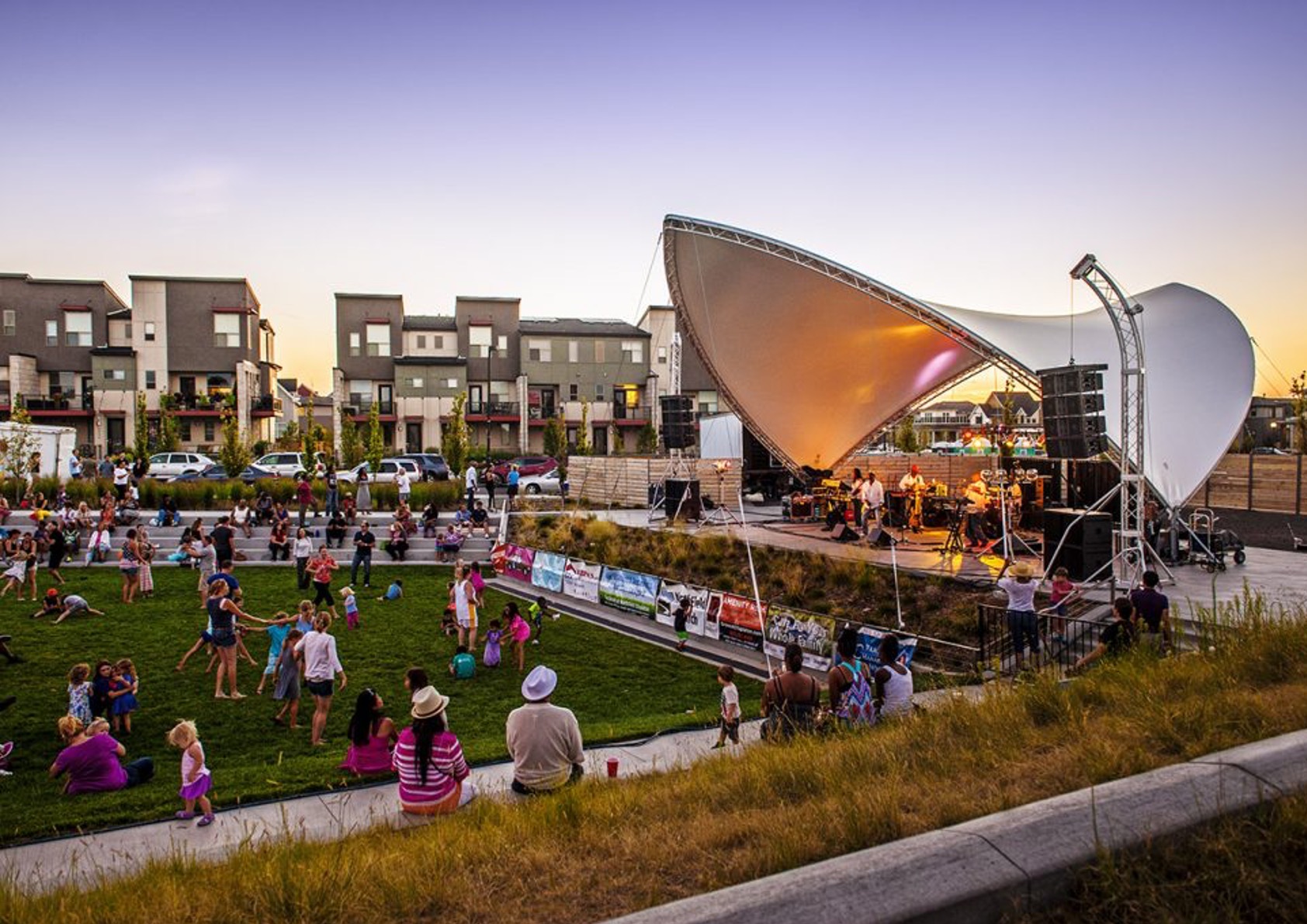
Continue reading “Stapleton”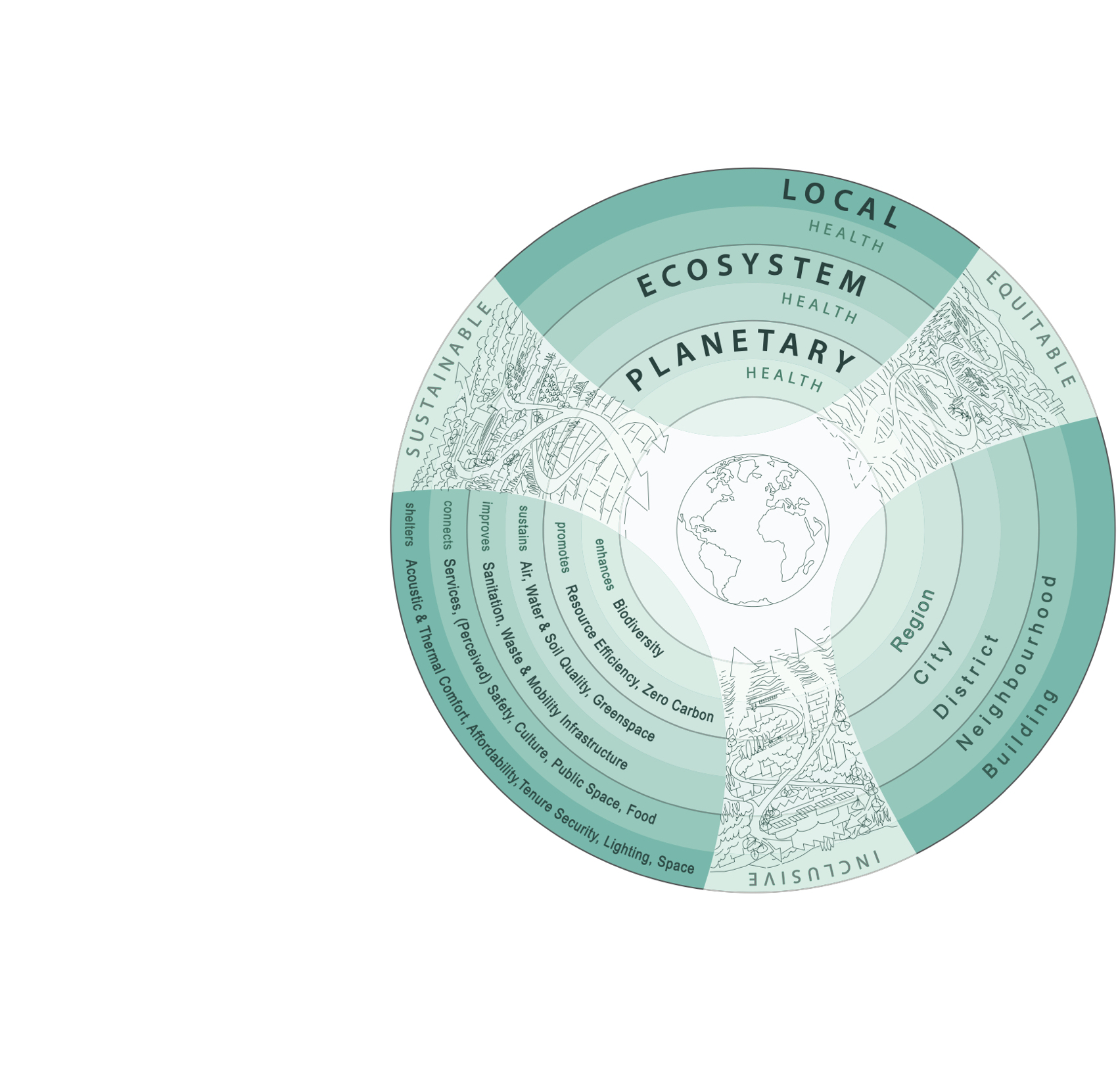
Strategies for inclusive, equitable and sustainable places
Introduction text coming soon.
This project is featured as one of our healthy urban development case studies and this case study was written by Elizabeth Cooper.
Continue reading “Stapleton”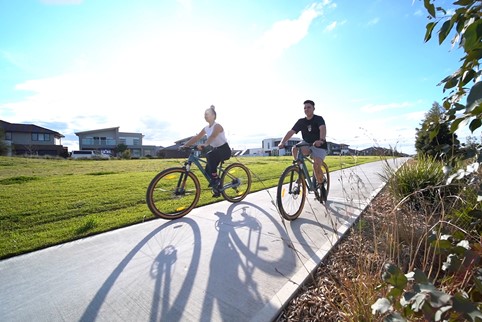
Introduction text coming soon.
This project is featured as one of our healthy urban development case studies and this case study was written by Elizabeth Cooper.
Continue reading “Oran Park Town”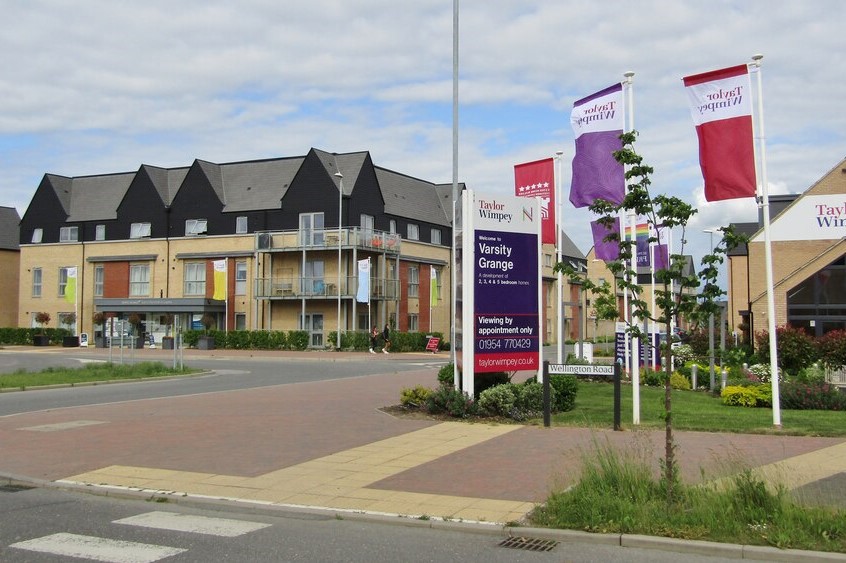
Introduction text coming soon.
This project is featured as one of our healthy urban development case studies and this case study was written by Elizabeth Cooper.
Continue reading “Northstowe”What do exemplar healthy urban developments look like? With the growing interest in ‘healthy’ buildings and places, we wanted to understand what could be considered best practice. This research involved a large review of published case studies, using professional organisations, newspaper reports, published academic research and other sources.
Our summary of each case study will be published incrementally in Spring 2022.
In publishing these projects, we are not endorsing them as ‘best practice’ or making any claims about whether they are good for health and wellbeing. We are hoping to learn about what the wider industry and professionals perceive ‘healthy’ development to look like.
Each case study was selected because it met our selection criteria:
We extracted information about each project from multiple sources and entered this into a template. The template included general project details (project size, location, type of development, etc.) and information specifically related to health.
We used the THRIVES framework as a way to consider how health and wellbeing were supported in each project. In reporting each project we explain how it relates to THRIVES through three scales of health impact (planetary, ecosystem and local) and the core principles (inclusion, equity and sustainability).
This project was funded by Guy’s and St Thomas’ Foundation, an urban health charity in London. The research team includes Helen Pineo, Gemma Moore, Karla Barrantes Chaves, Elizabeth Cooper, Vafa Dianati, Kay Forster and Isobel Braithwaite.
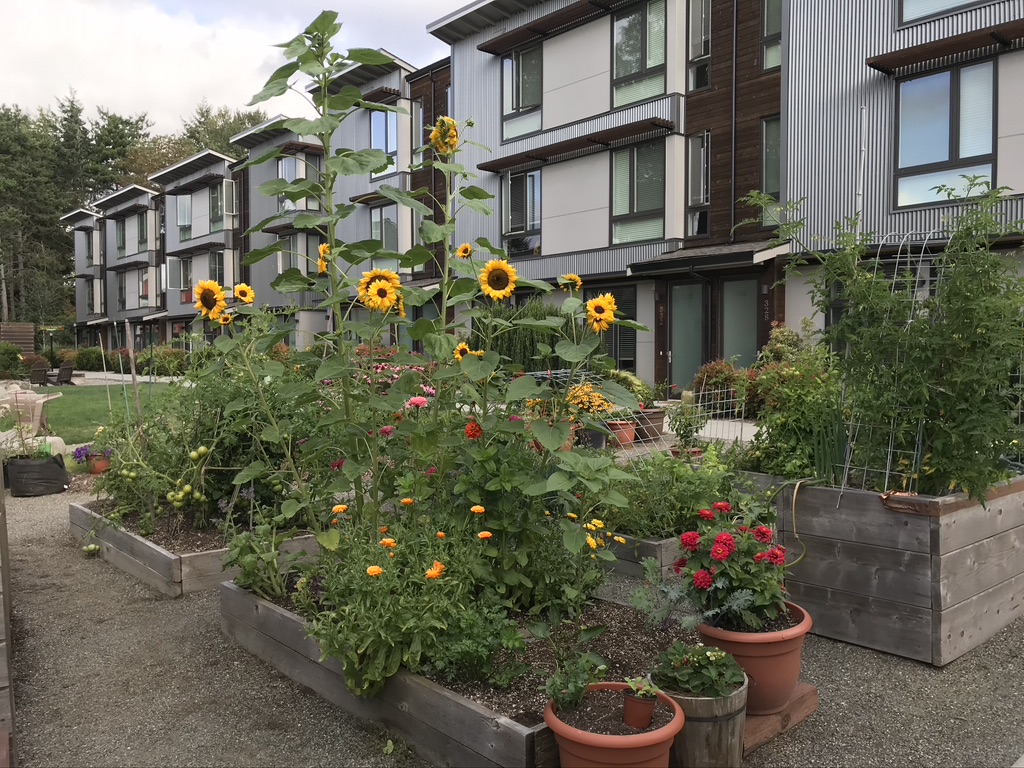
Before you start a new healthy urbanism project it is worth consulting local or international guidance. The publications shown below include checklists, case studies, policy and design measures, indicators and other resources.
You can search, filter or download this table to find guidance relevant for your needs. Note the abbreviations for buildings (BLDG) and neighbourhoods (NBHD).
If you are aware of guidance that should be added, please post it in the comments at the bottom of this page.
| Title | Country of Origin or Use | Scale | Design/planning checklist | Case studies | Policy/design measures | Indicators | Date | Author |
|---|